Germany MENA Solar Energy Market Review and Growth Outlook 2024–2032
The Germany MENA solar energy market is rapidly growing as Germany continues to play a central role in advancing renewable energy solutions in the Middle East and North Africa (MENA) region. Known for its technological expertise and robust renewable energy policies, Germany has been instrumental in helping MENA countries transition to clean energy by contributing to large-scale solar projects, research, and knowledge transfer. As MENA nations increasingly invest in sustainable energy to meet rising power demands and environmental targets, the Germany MENA solar energy market is positioned for significant expansion, driven by Germany's leadership in solar innovation and long-standing commitment to climate action.
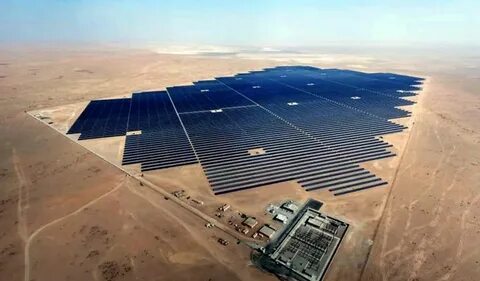
Key Drivers of Germany's Role in MENA Solar Energy Market
Germany’s involvement in the MENA solar energy market is driven by several factors, including the country's technological leadership, strong industrial base, and strategic partnerships within the region.
Technological Expertise and Innovation
Germany is a global leader in renewable energy technologies, particularly in the field of solar energy. The country has extensive experience in designing and implementing solar power systems, from small-scale rooftop installations to large utility-scale solar farms. German companies like SMA Solar Technology, First Solar, and Q-Cells have become key players in the MENA solar energy market, providing cutting-edge solar photovoltaic (PV) panels, inverters, and grid integration solutions.
The advancements made by German researchers and engineers in solar PV technology have led to higher efficiency rates and lower costs, making solar energy more viable for MENA countries. German solar technology is highly regarded for its reliability, longevity, and performance in extreme climates, making it an ideal choice for solar power projects in the MENA region, which is characterized by high temperatures and vast desert landscapes.
Strong Partnerships and Investments
In addition to technological leadership, Germany has fostered strong partnerships with MENA countries, positioning itself as a reliable partner for solar energy projects. The German government, along with private-sector entities, has committed significant investments in the renewable energy sector across MENA. These investments are aimed at helping MENA nations diversify their energy mix, reduce dependence on fossil fuels, and achieve ambitious climate goals.
Germany's financial institutions, including KfW Bank and the Deutsche Bank, have been instrumental in providing funding for large-scale solar projects in the MENA region. The German government, through initiatives like the German Energy Agency (dena), has also supported knowledge exchange programs and facilitated joint ventures to accelerate solar development in MENA countries.
Supportive Regulatory Environment
The regulatory frameworks established by MENA governments have also played a crucial role in Germany’s active participation in the solar energy sector. Many MENA countries have set ambitious renewable energy targets, such as the UAE’s goal of generating 50% of its energy from renewables by 2050 and Saudi Arabia's Vision 2030, which includes plans for 50% of its energy to come from renewable sources. These targets align with Germany’s goals and the country's commitment to the Paris Agreement on climate change.
The German government has worked closely with MENA countries to design and implement favorable policies and incentives for solar energy development. For example, feed-in tariffs (FiTs), tax incentives, and public-private partnership (PPP) models have been used to attract investments into the solar energy sector, making it easier for international companies, including German firms, to participate in large-scale projects.
Major Solar Energy Projects in the MENA Region
Germany has been involved in several high-profile solar energy projects across the MENA region. These projects showcase the country’s capabilities in driving the expansion of solar energy infrastructure.
Mohammed bin Rashid Al Maktoum Solar Park (UAE)
One of the largest solar parks in the world, the Mohammed bin Rashid Al Maktoum Solar Park in Dubai, is a flagship project for both the UAE and the Germany MENA solar energy market. The park, which is expected to reach a capacity of 5,000 MW by 2030, has seen significant German participation in its construction and development. German companies have been involved in providing technology, financing, and expertise for this monumental project, positioning Germany as a key partner in the UAE’s ambitious solar energy plans.
Benban Solar Park (Egypt)
Germany is also actively involved in Egypt’s Benban Solar Park, which is one of the largest solar parks in the world, located in the Aswan region. With a planned capacity of 1.65 GW, the Benban Solar Park is a critical part of Egypt's energy strategy to generate 20% of its electricity from renewables by 2022. German companies have contributed to the design and financing of the park, further enhancing the collaboration between Germany and Egypt in the renewable energy sector.
Saudi Arabia’s Renewable Energy Projects
In Saudi Arabia, German companies are heavily involved in the country’s renewable energy transition, particularly in solar energy. Through joint ventures and strategic partnerships, Germany has helped Saudi Arabia deploy solar energy solutions as part of its Vision 2030 plan. German firms, in collaboration with local partners, are working on several utility-scale solar projects, providing the country with the technology and expertise necessary to scale its solar power generation capacity.
Tunisia and Morocco’s Solar Initiatives
Germany is also contributing to solar energy development in Tunisia and Morocco. Both countries are investing heavily in solar power as part of their efforts to reduce carbon emissions and enhance energy security. German companies are assisting in the development of solar plants in these countries, providing both technology and financing solutions for large-scale solar farms and rooftop installations.
Jordan’s Solar Projects
In Jordan, the German government has supported various solar energy projects, with German companies supplying solar PV modules and inverters for the country’s growing solar market. Jordan’s favorable climate conditions and renewable energy targets make it an attractive market for German solar technology, and Germany’s involvement is helping the country achieve its goal of producing 30% of its electricity from renewable sources by 2030.
Future Outlook for the Germany MENA Solar Energy Market
The future of the Germany MENA solar energy market looks promising, with continued growth expected in the coming years. As MENA countries continue to set ambitious renewable energy targets, solar power will be an essential part of their energy mix, and Germany’s technological innovations and investments will be crucial in helping these countries achieve their goals.
Germany’s expertise in energy storage, grid integration, and solar technology will remain in high demand as the MENA region works to integrate a larger share of renewables into its energy systems. Additionally, as the cost of solar energy continues to decline, the potential for further collaboration between Germany and MENA countries is immense.
The expansion of solar energy in MENA will also drive regional cooperation, as countries seek to share resources and expertise. Germany’s participation in initiatives like the International Solar Alliance (ISA) and the Clean Energy Ministerial is helping to foster this collaboration and creating opportunities for MENA nations to learn from Germany’s successful renewable energy transition.
Conclusion
The Germany MENA solar energy market represents a vital partnership that is helping MENA countries transition to a more sustainable energy future. With Germany’s advanced solar technologies, strong financial support, and expertise in renewable energy policy, the country is playing a central role in the growth of solar energy across the region. As MENA nations continue to invest in solar power, Germany's contributions will help drive the success of large-scale solar projects, reduce the cost of solar energy, and facilitate the shift toward a greener, more sustainable energy system.
More Trending Reports
Biological Treatment Technologies Market Growth


Comments
Post a Comment